
G62 / YX8081 · 3D Depth Camera
Ultra-compact 3D stereo vision & depth camera — 50 × 14.7 × 20 mm, 29.3 g, 640×480@30fps, 1% accuracy, ideal for size-constrained robots.
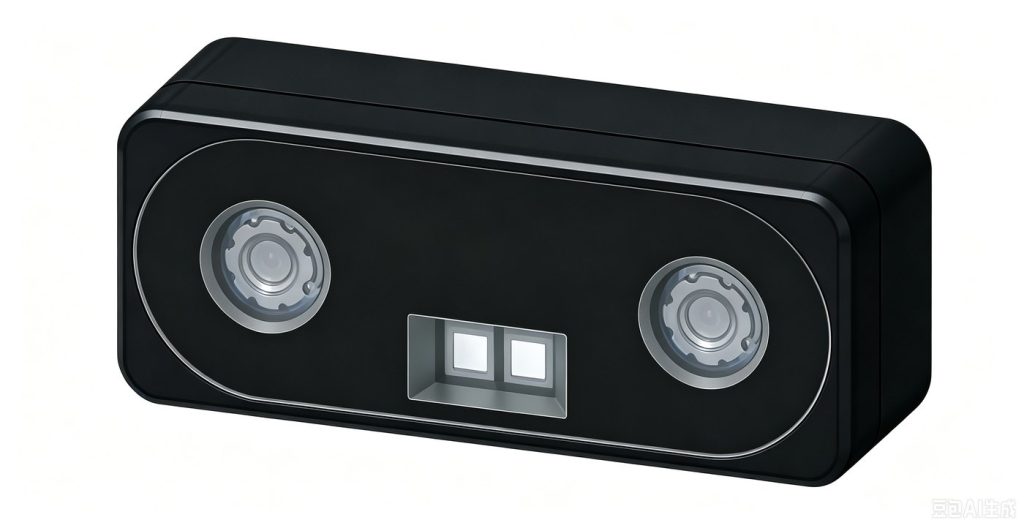
Key Features
- ✔50 × 14.7 × 20 mm compact housing
- ✔29.3 g lightweight
- ✔USB 2.0 Micro-B interface
- ✔640 × 480 @ 30 fps resolution
- ✔1.5 W low power draw
Specifications
| Dimensions (L×W×H) | 50 × 14.7 × 20 mm |
| Weight | 29.3 g |
| Output | USB 2.0 Micro-B |
| Resolution | 640 × 480 @ 30 fps |
| Accuracy | 1% |
| Shutter | Global shutter |
| Optimal working distance | 10–150 cm |
| Baseline | 30 mm |
| Horizontal FOV | 62 ± 1° |
| Vertical FOV | 43 ± 1° |
| Spectral band | 830–870 nm |
| Power consumption | 1.5 W |
Product Videos产品视频
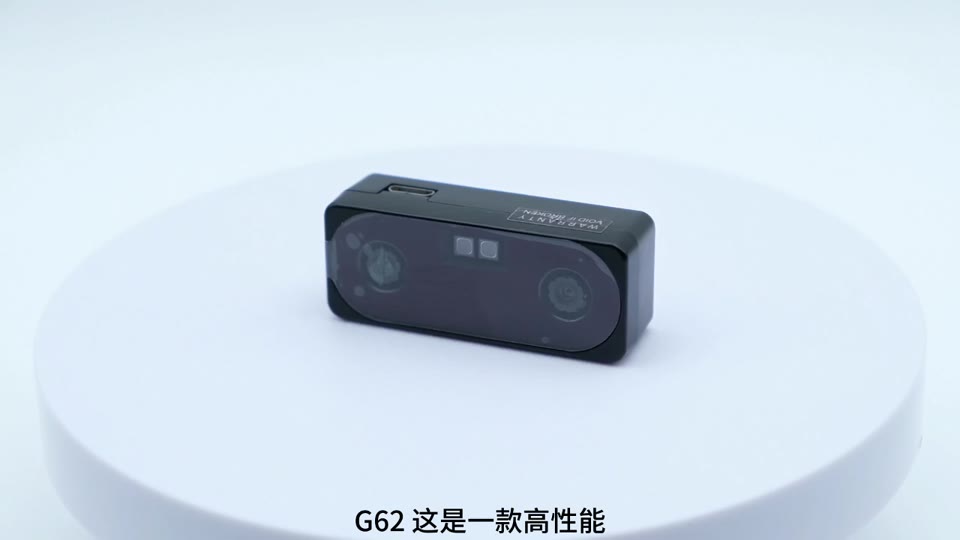
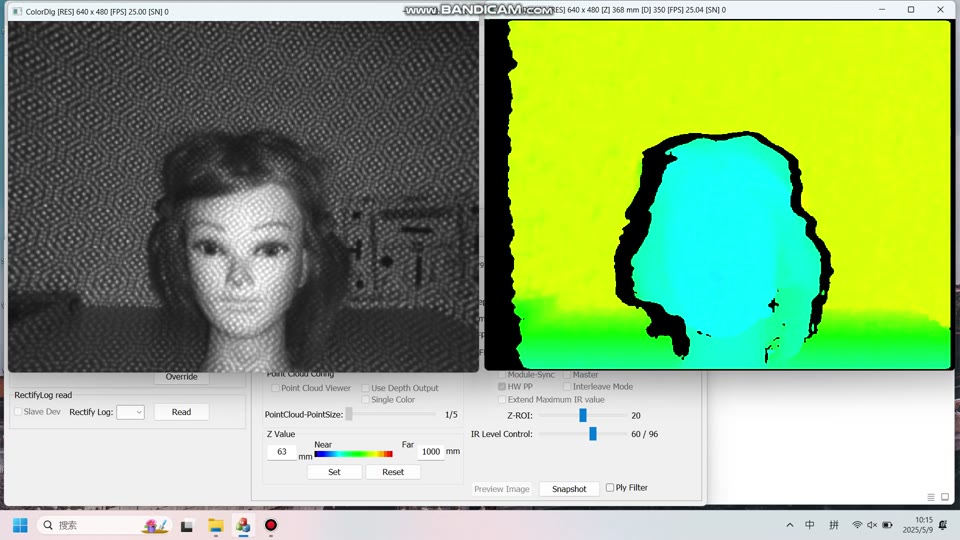
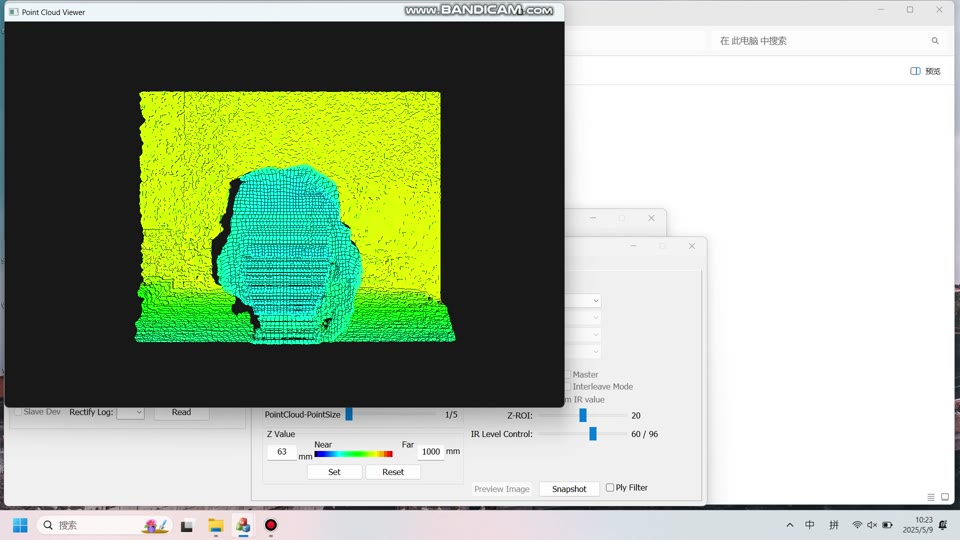
G62 is a high-performance, ultra-compact, low-power (1.5 W), high-precision 3D stereo vision and depth-sensing camera. It adopts a global-shutter RGB+IR process and fuses multi-sensor data to capture infrared light reflected from object surfaces. Through built-in algorithms, it generates 3D spatial information and calculates disparity to output 3D data such as speckle patterns, point clouds, and depth maps, enabling 3D environment perception and depth values. It supports modifying the corresponding distance selection range in the code to obtain point clouds at specific distances. The product dimensions are 50 mm × 14.7 mm × 20 mm, with a resolution of 640 × 480 pixels, a horizontal field of view of 62 ± 1°, a vertical field of view of 43 ± 1°, an 830–870 nm waveband, and a 30 mm baseline. Its accuracy can reach 1%, its depth working distance can reach 3 m, and its optimal distance is 20–150 cm. It uses USB 2.0 Micro B output, allowing convenient connection to various smart motherboards that support OTG. It provides SDKs for ROS, Android, Linux, Windows, and other systems, along with comprehensive technical support.
Typical Applications
3D object recognition, obstacle avoidance, 3D spatial perception and spatial path planning for size-constrained AI products — AGV robotic arms, logistics robots, commercial robots, robotic lawn mowers, service robots, snow-removal robots, embodied robots, autonomous sweepers and unmanned logistics vehicles. Also object recognition & grasping for collaborative robots, dexterous hands and automated equipment, gesture-based motion-sensing interaction devices, and 3D volume measurement.